
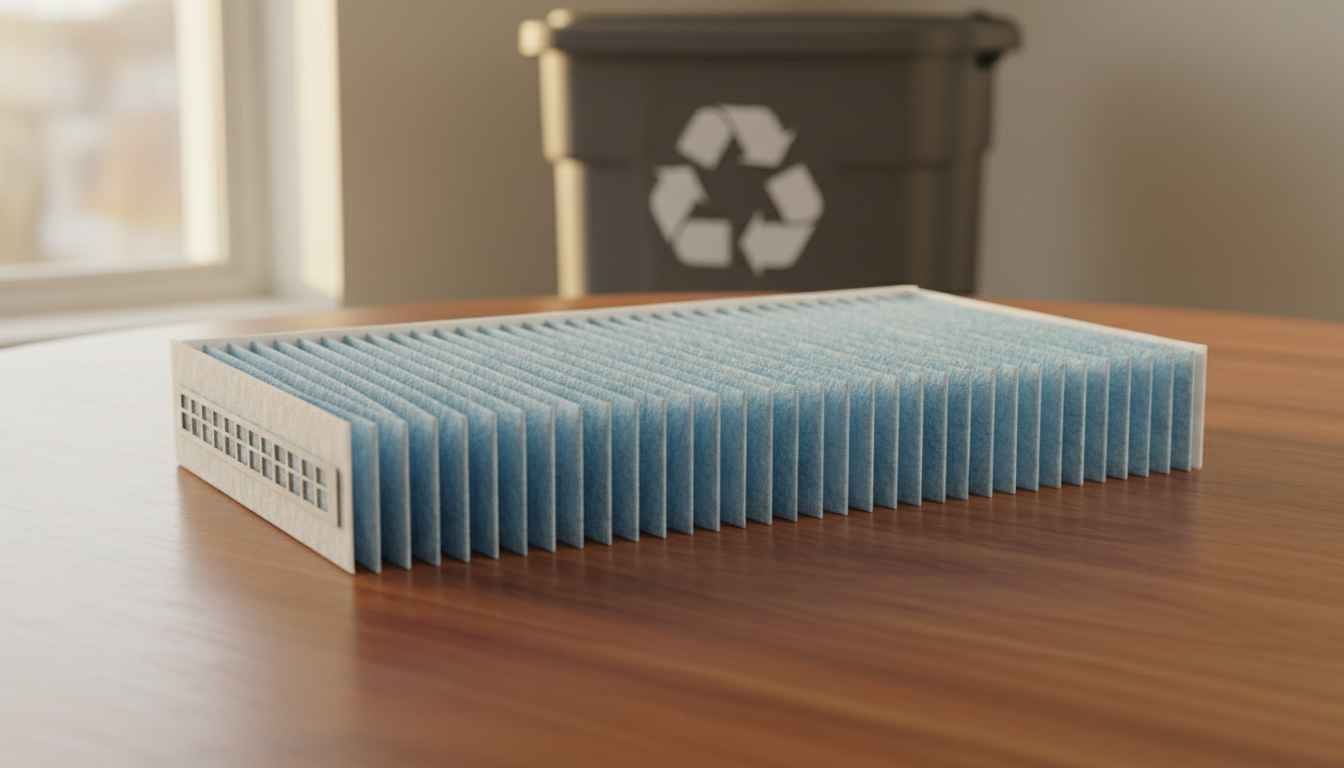
Americans spend an average of 90,000 hours indoors over a lifetime, making indoor air quality a critical aspect of daily life. HVAC systems play a central role in this, and the question of whether HVAC filters are recyclable has gained importance among sustainability-focused facility managers and homeowners.
Before You Start
Understanding the recyclability of HVAC filters requires some preparation. Ensure you have the following:
1. Knowledge of your filter type and material composition.
2. Access to local recycling guidelines and facilities.
3. Gloves and safety equipment to handle used filters.
4. Awareness of potential health risks associated with trapped dust, allergens, and microbial growth.
Understanding HVAC Filter Materials
Most HVAC filters consist of a combination of synthetic fibers, metal frames, and pleated paper. Metal components can typically be recycled through standard scrap metal programs. Synthetic and fiberglass media, however, are often non-recyclable in municipal programs due to contamination and material complexity. High-efficiency filters such as HEPA may contain fine particles that prevent safe recycling, making disposal the more practical option.
Recycling Possibilities and Limitations
While some innovative programs have begun accepting used HVAC filters for specialized recycling, these services are not universally available. For example, certain industrial filters can be returned to manufacturers or processed through commercial recycling solutions. Residential users often face more constraints, making reuse or proper disposal the more feasible path. For expert guidance on sustainable air management, Daikin Applied provides resources on next-generation HVAC solutions that balance efficiency with environmental responsibility.
Potential Drawbacks
Not every scenario allows for filter recycling. Contaminated filters pose health risks, and improper handling can release trapped dust and pathogens. Facilities with high indoor pollutants may find that recycling is impractical. Additionally, the lack of widespread municipal programs for filter materials limits scalability, making traditional disposal the most accessible option for most households and small businesses.
Conclusion
HVAC filter recycling remains a developing area within environmental management. While metal components may be recyclable and specialized programs exist for certain filters, many residential and high-efficiency filters remain non-recyclable due to contamination and material composition. A strategic approach involves identifying recyclable parts, adhering to safety protocols, and consulting with experts in sustainable HVAC management. Prioritizing responsible disposal and considering advanced filter technologies can help facilities and homeowners reduce their environmental footprint.
