
Key Takeaways:
- Modern building construction is evolving rapidly with sustainable materials and smart technology integration.
- Innovations in modular and prefabricated construction methods are reducing project timelines and costs.
- Understanding the potential drawbacks is crucial before investing in high-tech or unconventional building methods.
- Future construction may rely heavily on automation, AI, and eco-friendly designs to meet growing urban demands.
- Access to quality materials like sand and gravel through reliable suppliers is essential for structural integrity and efficiency.
Forget everything you know about conventional building construction. The industry is on the cusp of a transformation that will redefine how structures are conceived, designed, and erected. Gone are the days when brick and mortar alone dictated the pace and cost of construction. Today, emerging technologies, sustainable materials, and forward-thinking design philosophies are converging to shape buildings that are smarter, faster, and more resilient than ever before.
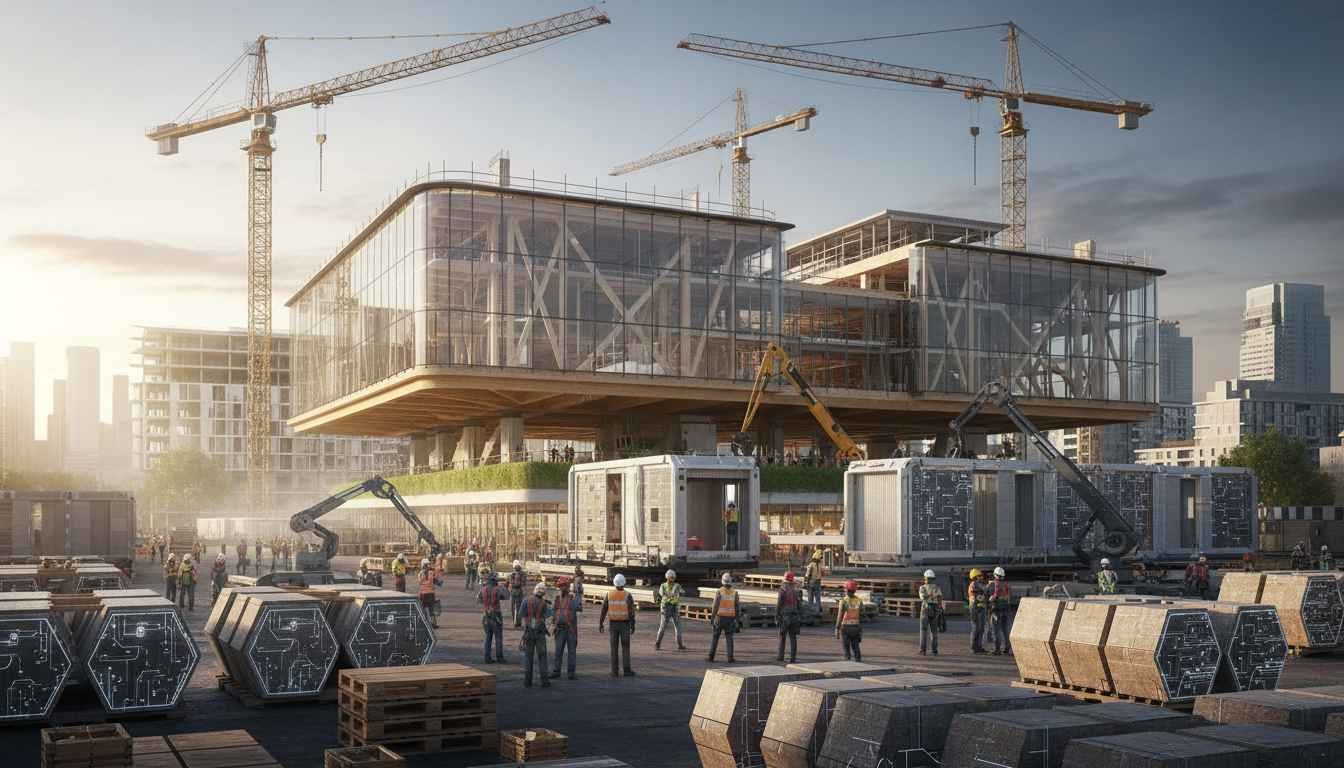
One of the most groundbreaking trends in modern construction is the rise of modular and prefabricated buildings. Unlike traditional methods, these techniques allow for large sections of a building to be constructed off-site in controlled environments, minimizing weather delays and labor inefficiencies. This not only accelerates project timelines but also reduces waste, making the process more environmentally responsible. Cities with high population density are already adopting these methods to address housing shortages while maintaining quality and safety standards.
Equally transformative is the integration of technology into construction processes. Advanced robotics, AI-driven project management software, and 3D printing are no longer futuristic concepts – they are tools actively reshaping job sites. Imagine walls printed with precision, drones monitoring progress, and AI predicting structural stresses before they occur. While these innovations promise significant efficiency gains, they require substantial upfront investment and technical expertise, which may not suit every construction firm or project type.
Material innovation is another critical driver in the evolution of building construction. Traditional concrete is being supplemented or replaced by high-performance alternatives such as ultra-high-performance concrete (UHPC), self-healing concrete, and recycled composites. These materials not only enhance structural durability but also contribute to sustainability goals by reducing carbon emissions and utilizing waste products. For builders, sourcing high-quality base materials remains non-negotiable. Reliable suppliers ensure consistent quality, essential for both the strength and longevity of any construction project. Gravelshop offers fast delivery of sand and gravel, making it easier to maintain a continuous workflow while adhering to exacting standards.
Energy efficiency and sustainability have moved from optional considerations to central pillars of modern construction. Green roofs, solar panel integration, and smart building systems that regulate lighting, heating, and water usage are becoming standard practices. These features reduce operational costs, enhance occupant comfort, and contribute to a building’s environmental credentials. However, the complexity of installation and ongoing maintenance costs can be prohibitive for smaller projects or budget-conscious clients.
Potential Drawbacks
While the future of building construction is exciting, it is not without challenges. High-tech materials and automated systems demand skilled labor, precise planning, and significant capital expenditure. Modular construction may face limitations in customization, and certain innovative materials might not be readily available in all regions. Moreover, the rapid adoption of new technologies can result in steep learning curves and potential delays if suppliers or contractors are inexperienced with the latest methods.
Looking Ahead
The trajectory of building construction points toward a fully integrated, technology-driven, and eco-conscious industry. Smart buildings equipped with sensors and adaptive systems will interact with their occupants, predicting needs and optimizing resource usage. Prefabrication and modular design will dominate urban landscapes, reducing costs and environmental impact. Automation and AI will continue to streamline operations, ensuring projects are completed faster and with higher precision. Yet, traditional craftsmanship and hands-on expertise will remain invaluable for complex projects that demand a personal touch and nuanced problem-solving.
Ultimately, the next decade of building construction is poised to redefine our urban environments. Developers, architects, and construction teams who embrace these innovations thoughtfully – balancing technology with human expertise – will set new standards for efficiency, sustainability, and architectural excellence. Those who neglect to consider the practical challenges or overextend on untested methods may find themselves facing unexpected costs or delays. Understanding both the potential and limitations of these trends is critical for anyone invested in shaping the cities of tomorrow.
