
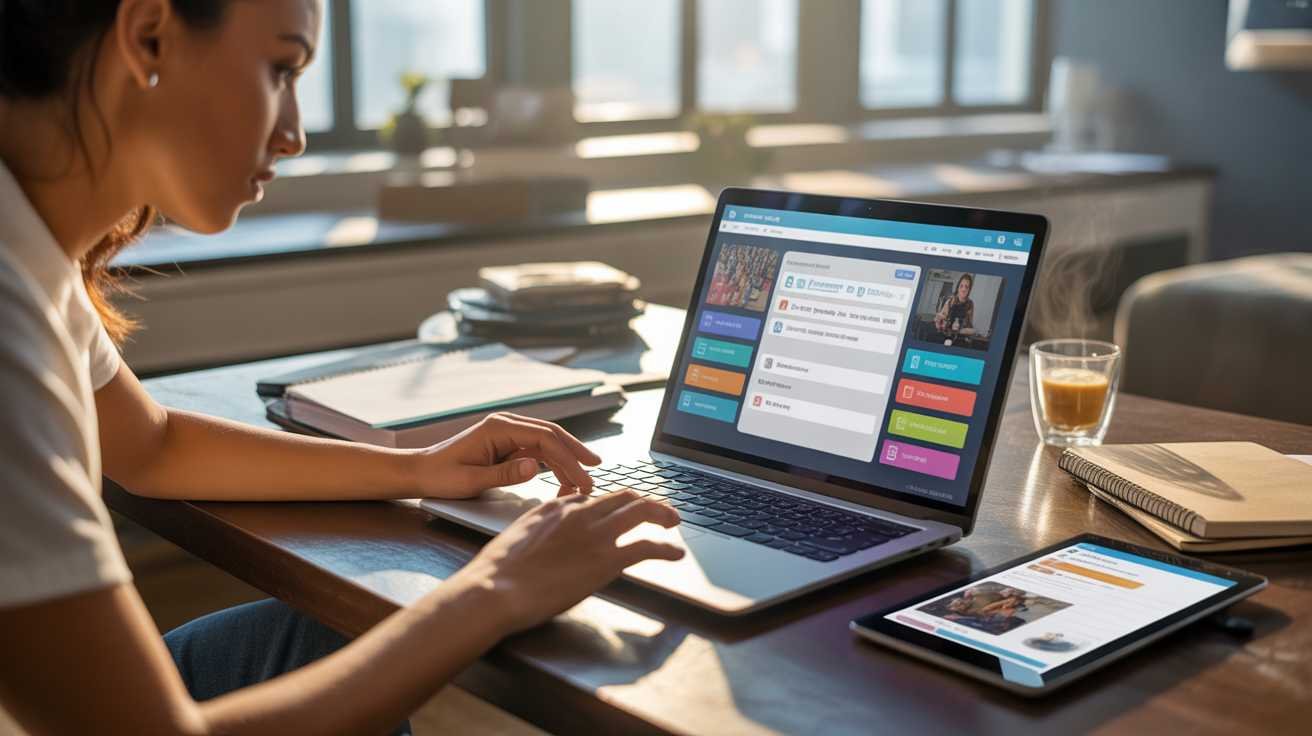
In the rapidly evolving landscape of education, online learning platforms have emerged as powerful tools that not only facilitate knowledge acquisition but also enhance student engagement through interactive elements such as quizzes, videos, and assignments. These platforms offer a dynamic learning experience that caters to various learning styles and preferences, making education more accessible and effective.
The Rise of Online Learning Platforms
The advent of the internet and digital technologies has revolutionized the way education is delivered and consumed. Online learning platforms have become central to this transformation, providing learners with the flexibility to access educational content anytime and anywhere. This shift has been particularly significant in the context of the Florida education system, where budget constraints have necessitated innovative solutions to maintain educational quality and accessibility.
Florida’s educational budget has faced challenges in recent years, with the state allocating funds to various sectors, including K-12 education, higher education, and vocational training. Despite these challenges, online learning platforms have played a crucial role in bridging gaps and ensuring that students continue to receive quality education. By integrating interactive elements like quizzes, videos, and assignments, these platforms have enhanced the learning experience, making it more engaging and effective.
Interactive Quizzes: Enhancing Engagement and Assessment
Quizzes are a staple in educational settings, serving both as tools for assessment and mechanisms to reinforce learning. Online learning platforms have taken quizzes to the next level by incorporating interactive features that increase student engagement. These platforms offer a variety of quiz formats, including multiple-choice, true/false, short answer, and matching questions, each designed to test different levels of understanding.
The interactive nature of these quizzes allows for immediate feedback, enabling students to identify areas where they need improvement. This instant feedback loop is invaluable in the learning process, as it helps learners to correct misconceptions and reinforce correct information promptly. Moreover, many platforms incorporate gamification elements into quizzes, such as leaderboards and achievement badges, which motivate students to perform better and engage more deeply with the content.
In Florida, where educational resources are often stretched thin due to budget limitations, the use of interactive quizzes in online learning platforms has proven to be an efficient and cost-effective way to enhance student learning outcomes. These quizzes not only assess student knowledge but also provide a dynamic and engaging learning experience that traditional methods may lack.
Engaging Videos: Bringing Learning to Life
Videos have become an integral part of modern education, offering a multisensory approach to learning that caters to visual and auditory learners. Online learning platforms leverage videos to present complex concepts in an easily digestible format, using animations, real-life scenarios, and expert explanations to elucidate topics.
The use of videos in online learning platforms allows students to learn at their own pace, pausing and rewinding content as needed to fully comprehend the material. This flexibility is particularly beneficial for students who may require additional time to grasp certain concepts. Furthermore, videos can be used to demonstrate practical applications of theoretical knowledge, bridging the gap between abstract concepts and real-world scenarios.
In the context of Florida’s education system, where budget constraints often limit the availability of physical resources and instructional materials, the incorporation of videos in online learning platforms provides a cost-effective solution to enhance the quality of education. These videos serve as valuable resources that supplement traditional teaching methods, offering students a richer and more diverse learning experience.
Assignments: Reinforcing Learning and Encouraging Critical Thinking
Assignments are essential components of the learning process, providing students with opportunities to apply what they have learned and develop critical thinking skills. Online learning platforms facilitate the submission and assessment of assignments through digital means, allowing for a streamlined and efficient process.
These platforms offer a range of assignment types, including essays, projects, presentations, and discussions, each designed to encourage students to engage deeply with the material. The digital nature of these assignments allows for easy tracking of progress and performance, enabling instructors to provide timely and personalized feedback to students.
In Florida, where educational budgets are often limited, online learning platforms offer a cost-effective means to manage and assess assignments. The digital submission and grading processes reduce the need for physical materials and administrative resources, allowing educators to focus more on teaching and less on logistical tasks. This efficiency is particularly crucial in the face of budget constraints, ensuring that resources are utilized effectively to support student learning.
Florida’s Educational Budget and the Role of Online Learning
Florida’s educational budget has faced challenges in recent years, with the state allocating funds to various sectors, including K-12 education, higher education, and vocational training. Despite these challenges, online learning platforms have played a crucial role in bridging gaps and ensuring that students continue to receive quality education. By integrating interactive elements like quizzes, videos, and assignments, these platforms have enhanced the learning experience, making it more engaging and effective.
The state’s investment in online learning infrastructure has been instrumental in expanding access to education, particularly in underserved areas. By leveraging technology, Florida has been able to provide students with opportunities to learn remotely, reducing barriers related to geography and socioeconomic status. This approach aligns with the state’s commitment to ensuring that all students have access to high-quality education, regardless of their circumstances.
Furthermore, the integration of online learning platforms into the educational system has allowed for more personalized learning experiences. Students can progress at their own pace, revisiting material as needed and receiving targeted support in areas where they may be struggling. This individualized approach enhances student outcomes and promotes a deeper understanding of the content.
Real-World Success Stories
Across Florida, numerous success stories highlight the effectiveness of online learning platforms in enhancing student engagement and achievement. For instance, the Florida Virtual School (FLVS) offers a range of online courses that incorporate interactive quizzes, engaging videos, and comprehensive assignments to support student learning. Students enrolled in FLVS have reported increased motivation and improved academic performance, attributing their success to the dynamic and interactive nature of the platform’s offerings.
Similarly, the Virtual Prep Academy of Florida provides an online high school experience that emphasizes digital literacy and independence. Through its interactive learning platform, students engage with multimedia tools, complete writing assignments, and participate in regular assessments, all designed to prepare them for success in the digital age. Graduates of the program have gone on to pursue higher education and careers, equipped with the skills and knowledge gained through their online learning experiences.
These real-world examples demonstrate the transformative impact of online learning platforms on student outcomes. By offering interactive and engaging learning experiences, these platforms empower students to take control of their education and achieve their academic goals.
The Future of Online Learning in Florida
The future of online learning in Florida looks promising, with continued investments in technology and infrastructure aimed at expanding access to quality education. As the demand for flexible and personalized learning options grows, online learning platforms will play an increasingly vital role in meeting the diverse needs of students.
Innovations in artificial intelligence, virtual reality, and adaptive learning technologies are poised to further enhance the capabilities of online learning platforms. These advancements will enable platforms to offer even more personalized and immersive learning experiences, catering to the unique needs and preferences of individual students.
Moreover, the integration of online learning into the broader educational ecosystem will foster greater collaboration among educators, students, and families. By leveraging technology, stakeholders can work together to create supportive learning environments that promote student success and well-being.
In conclusion, online learning platforms have become indispensable tools in modern education, offering interactive and engaging learning experiences that enhance student outcomes. In Florida, these platforms have proven to be effective in bridging educational gaps and ensuring that all students have access to quality education. As technology continues to evolve, the potential for online learning to transform education remains vast, promising a future where learning is more accessible, personalized, and impactful than ever before.
