Unlocking the Digital Canvas: Your Gateway to Artistic Mastery
Imagine standing before a blank canvas, the possibilities endless, your imagination the only limit. This is the allure of digital art – a realm where creativity knows no bounds, and every stroke brings your visions to life. But how do you transition from a novice to a professional in this dynamic field? The answer lies in structured learning, consistent practice, and leveraging the right tools. In this guide, we’ll explore how developing digital art skills can pave your way to creating professional illustrations and concepts.
The Power of Structured Learning: Enrolling in Digital Art Programs
Structured learning provides a roadmap for your artistic journey, offering guidance, resources, and feedback that are crucial for growth. Institutions like the Rowland Adult and Continuing Education Center offer comprehensive Multimedia Design Online Training courses that equip you with fundamental technical and conceptual skills in digital art. These programs are designed to cater to adults seeking to enhance their artistic abilities, regardless of their starting point. By enrolling in such programs, you gain access to expert instructors, peer support, and a curriculum that covers essential aspects of digital art, from basic techniques to advanced concepts.
Mastering the Tools of the Trade: Software and Hardware Essentials
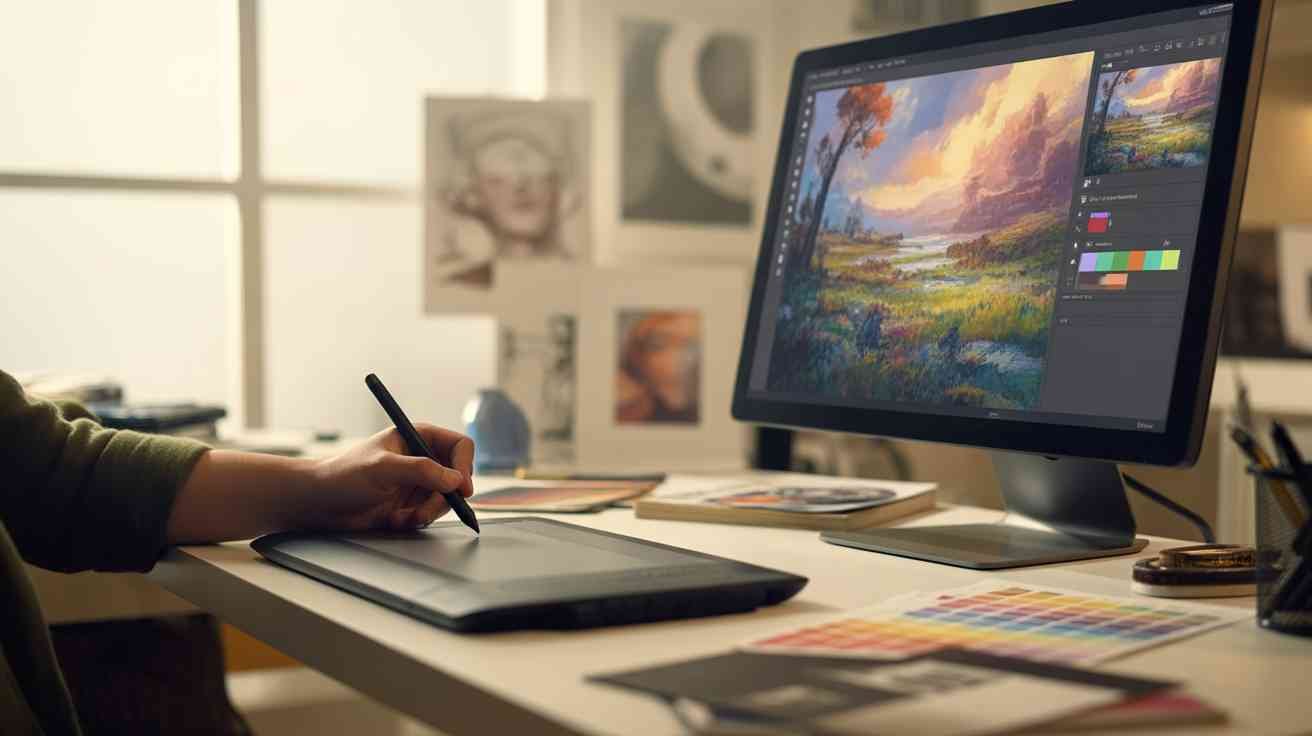
In the digital art world, your tools are an extension of your creative mind. Mastery over software like Adobe Photoshop, Illustrator, or Procreate is essential. These programs offer a plethora of features that allow you to manipulate images, create intricate designs, and bring your ideas to fruition. Coupled with a reliable drawing tablet, such as a Wacom or Huion, you can achieve precision and fluidity in your artwork. Investing time to learn these tools through tutorials and practice can significantly enhance your skill set, enabling you to produce professional-grade illustrations and concepts.
Building a Strong Portfolio: Showcasing Your Skills
A well-curated portfolio serves as a testament to your abilities and style. It’s your personal gallery, showcasing your best works and demonstrating your growth as an artist. Include a variety of pieces that highlight different techniques, themes, and mediums. As you progress, update your portfolio to reflect your latest work and improvements. Platforms like Behance or ArtStation are excellent for displaying your portfolio to a global audience, attracting potential clients and collaborators. Remember, your portfolio is not just a collection of images; it’s a narrative of your artistic journey and evolution.
Continuous Practice and Feedback: The Path to Improvement
Art is a skill honed over time through consistent practice and constructive feedback. Set aside dedicated time each day to draw, experiment with new techniques, and challenge yourself with complex projects. Seek feedback from peers, mentors, or online communities to gain different perspectives and insights. Platforms like Reddit’s r/DigitalArt or DeviantArt offer spaces where artists share their work and critique each other’s pieces. Embrace criticism as a tool for growth, and use it to refine your skills and broaden your artistic horizons.
Understanding the Industry: Trends and Opportunities
Staying informed about industry trends and opportunities is crucial for aspiring professional illustrators. The digital art landscape is constantly evolving, with new tools, techniques, and platforms emerging regularly. Follow industry blogs, attend webinars, and participate in online forums to keep abreast of the latest developments. Networking with professionals in the field can also open doors to freelance opportunities, collaborations, and job offers. Platforms like LinkedIn and Behance are valuable for connecting with industry professionals and showcasing your work to a broader audience.
Monetizing Your Art: Turning Passion into Profession
Transforming your digital art skills into a source of income involves strategic planning and marketing. Start by offering commissions to friends, family, or through online platforms. As you build a client base, consider creating digital products like prints, merchandise, or tutorials to sell on platforms such as Etsy or Gumroad. Collaborating with brands or participating in art contests can also increase your visibility and credibility in the industry. Remember, monetizing your art requires not just creativity but also business acumen and persistence.
Embracing the Community: Collaboration and Growth
The digital art community is vast and diverse, offering numerous opportunities for collaboration and growth. Engage with fellow artists through online forums, social media groups, or local art meetups. Sharing your experiences, challenges, and successes can provide support and inspiration. Collaborative projects can also enhance your skills and expand your portfolio. Platforms like Discord host communities where artists collaborate on projects, share resources, and offer feedback. Embrace the community, as it can be a valuable source of motivation and learning.
Staying Inspired: Finding Your Artistic Voice
Inspiration is the fuel that drives creativity. Surround yourself with art that resonates with you, whether it’s through books, galleries, nature, or personal experiences. Experiment with different styles, themes, and mediums to discover what excites you. Document your ideas and concepts in a sketchbook or digital journal, allowing you to revisit and refine them over time. Staying inspired involves nurturing your curiosity and passion for art, ensuring that your creative journey remains fulfilling and dynamic.
If you want to enhance your skills in branding, consider exploring norwich adult education programs that cater to aspiring digital artists.
