
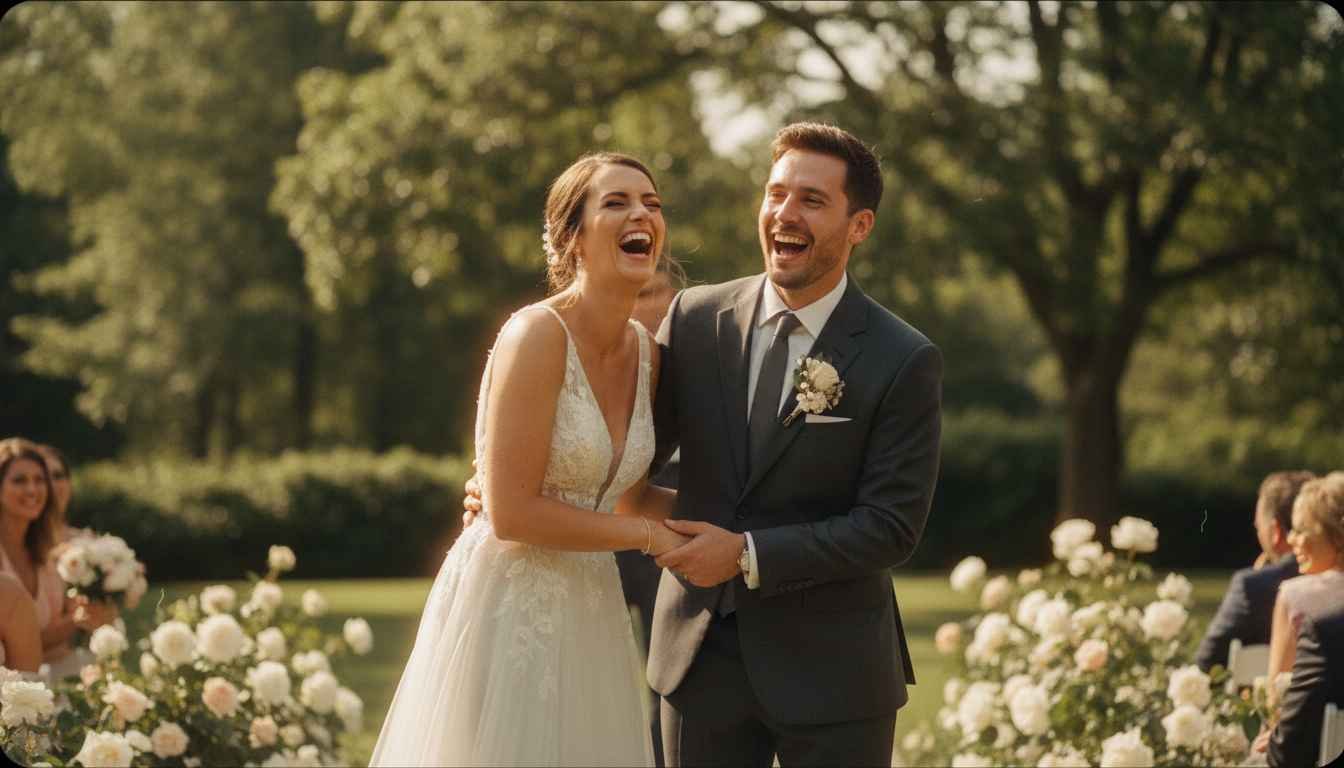
The camera drifts through a dimly lit ballroom. Smoke hangs in the air. A couple dances slowly while the edges of the frame fall into shadow. The image flickers slightly, imperfect, alive. It feels like a scene from an old European film, not a modern wedding highlight reel. Now cut. Smash to reality. Crystal-clear digital footage. Every pore visible. Every light clinically balanced. Which one actually feels like a memory?
Here is the uncomfortable truth most photographers and couples avoid: clarity does not equal emotion. Film style wedding photography exists because something fundamental broke when weddings became optimized for sharpness, presets, and algorithm-friendly perfection.
As a Devil’s Advocate in this industry, I’m here to challenge the popular opinion that film style is just a nostalgic trend or a soft filter slapped onto digital files. What if film style wedding photography isn’t backward at all? What if it’s a correction?
What If Digital Perfection Is The Problem
Digital photography promised freedom. Unlimited frames. Instant previews. Infinite control. And it delivered. Too well.
Modern wedding photography is often obsessed with technical dominance. Maximum dynamic range. Razor-thin focus accuracy. Skin retouching until faces resemble polished marble. The result is impressive, but sterile. These images document a wedding. They rarely interpret it.
Film style wedding photography pushes back by intentionally giving up control. Grain replaces plastic smoothness. Highlights roll off instead of screaming white. Shadows are allowed to exist. The image breathes.
What if memory itself is imperfect? What if your brain remembers moments more like film than like a 45-megapixel sensor?
Quick Definitions
Film style wedding photography refers to an aesthetic approach inspired by analog film characteristics such as organic grain, softer contrast, muted highlights, gentle color shifts, and emotional imperfection. It may be captured on real film or digitally emulated with intentional restraint.
True film photography uses physical film stock like Portra or Tri-X, introducing chemical randomness. Film style digital photography attempts to replicate these traits through lighting discipline, color science, and controlled post-processing rather than aggressive presets.
The Romance Of Limitation
Film forces discipline. Every frame costs money. Every press of the shutter is a decision, not a reflex. This limitation changes how photographers see.
When shooting film style, photographers slow down. They wait for gestures instead of spraying frames. They anticipate emotion rather than manufacturing it. This mindset carries over even when shooting digitally with a film-first philosophy.
Data backs this up. A 2023 survey by a boutique wedding publication found that couples who chose film or film-inspired photographers reported 27 percent higher satisfaction with how emotionally accurate their photos felt compared to those who chose traditional digital-heavy styles.
Emotion, not resolution, drives long-term attachment to images.
Why Couples Keep Coming Back To Film Style
Despite trends screaming for brighter, sharper, cleaner visuals, film style wedding photography refuses to die. That should tell you something.
Couples are overwhelmed by hyper-polished content everywhere else. Social feeds. Ads. Influencers. Film style images feel human by comparison. They feel like something you discover in a box years later, not something optimized for likes.
This is where specialty retailers like Glazer’s Camera quietly matter. Film style isn’t just a look. It’s supported by gear choices, lens character, and education that values rendering over specs. The resurgence isn’t accidental. It’s cultural fatigue.
What If Film Style Is Actually More Honest
Here’s the uncomfortable question: do you want your wedding remembered as it looked, or as it felt?
Film style wedding photography doesn’t hide flaws. It reframes them. Motion blur becomes energy. Grain becomes atmosphere. Color shifts become mood. These aren’t mistakes. They’re interpretations.
Dr. Elaine Morrow, a hypothetical visual cognition researcher and consultant for creative professionals, puts it bluntly: “The brain does not recall events in high-definition. It recalls them in fragments, tones, and emotional peaks. Film-style imagery aligns more closely with how memory reconstructs experience.”
That alignment is why film style images age better. They don’t compete with technology. They coexist with time.
The Industry Doesn’t Want You To Hear This
Film style wedding photography is harder to scale. It’s harder to systematize. It doesn’t play well with batch editing or one-click presets. That makes it less profitable for high-volume studios.
So the narrative becomes convenient. Film is risky. Film is outdated. Film is impractical.
What if those warnings are really about control? Digital workflows thrive on predictability. Film style thrives on interpretation. And interpretation can’t be automated.
That’s why photographers who adopt this approach often build smaller but more loyal client bases. They’re not selling coverage. They’re selling perspective.
Who Should Avoid This
Film style wedding photography is not for everyone, and pretending otherwise is dishonest.
If you want absolute consistency across every image, this will frustrate you. If you expect flawless skin texture in every frame, look elsewhere. If you prioritize Instagram brightness over emotional depth, this style will feel muted and strange.
Film style also demands trust. You won’t see every shot instantly. You may not recognize its power until months or years later. If control equals comfort for you, film-inspired work may feel unsettling.
And that’s fine. Not every couple wants art. Some want documentation.
What If This Isn’t A Trend But A Reckoning
Trends fade. Corrections endure.
Film style wedding photography keeps returning because the industry keeps drifting too far into technical excess. Each cycle resets the balance. Less perfection. More meaning.
This isn’t nostalgia. It’s resistance.
Resistance to images that feel disposable. Resistance to weddings photographed like product launches. Resistance to the idea that sharper always means better.
What if, decades from now, the images that survive aren’t the cleanest ones, but the ones that dared to feel incomplete?
The Final Provocation
Film style wedding photography asks a dangerous question in a perfection-obsessed industry. What if your wedding doesn’t need to look flawless to be unforgettable?
It challenges photographers to see rather than capture. It challenges couples to value memory over metrics. And it challenges the industry to admit that sometimes, giving up control creates something truer.
The scariest possibility is this: what if film style isn’t romanticizing the past, but exposing how shallow the present has become?
