
AC turning on and off repeatedly? Stop the short cycle
Is your frustrating AC turning on and off repeatedly every single five minutes? You likely have a completely frozen indoor coil or a severely failing thermostat that urgently needs attention right now. It is incredibly annoying when the compressor completely fails to properly cool down your hot room continuously.
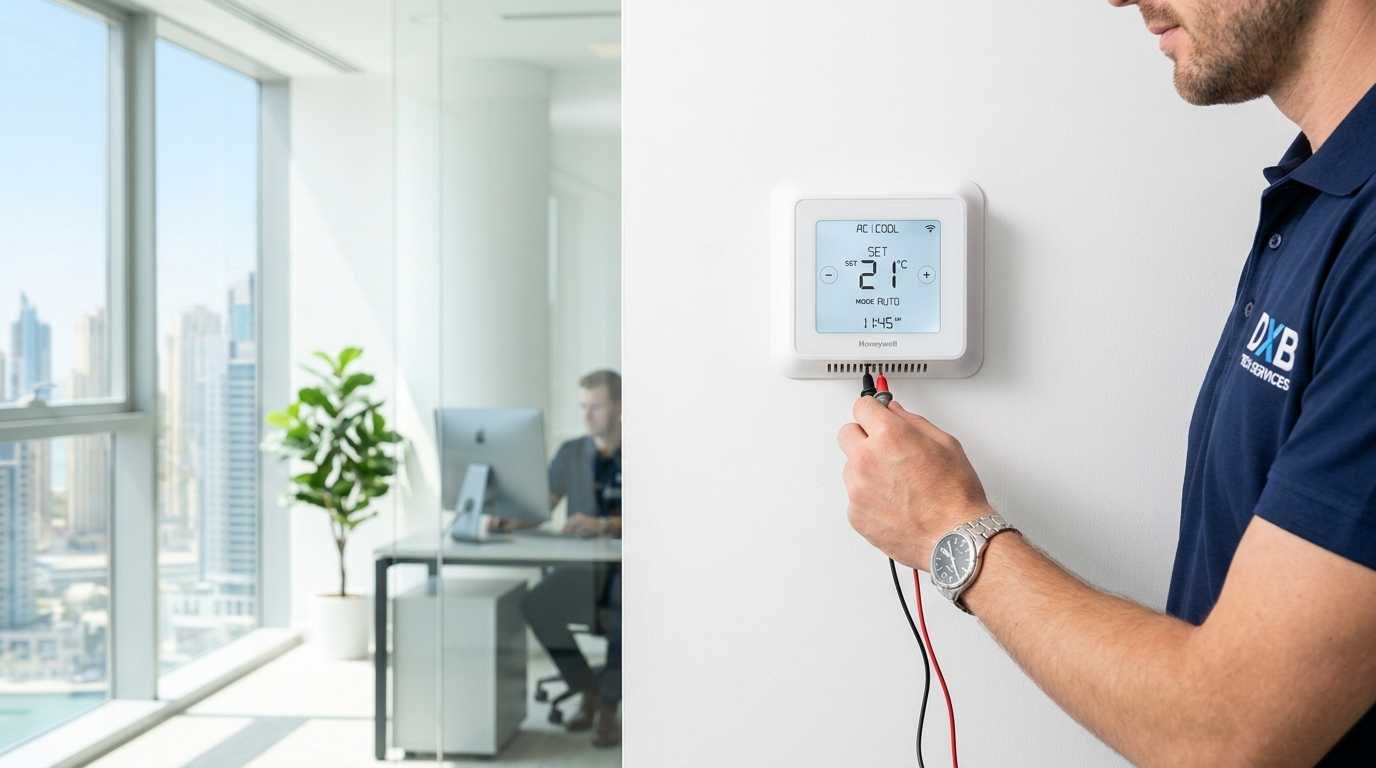
Look, I visited an office in Business Bay yesterday morning. The angry manager said the AC would start loudly, run for exactly three minutes, and then aggressively shut down. I tested the heavy thermostat carefully. The tiny internal temperature sensor was completely broken, sending false signals constantly. I replaced the tiny plastic sensor instantly. Beautiful, steady cooling returned immediately.
Why your AC constantly short cycles
Actually, your modern air conditioner is specifically designed to run in long, steady cycles to effectively remove heavy indoor humidity. When it aggressively shuts down prematurely, it means an internal safety sensor has suddenly triggered to prevent a much larger mechanical failure. This extremely rapid starting heavily damages the massive compressor.
Completely frozen indoor evaporator coils
The absolutely most common reason for aggressive short cycling is a totally frozen indoor coil. When the essential airflow is severely restricted, the delicate copper coils get incredibly cold and quickly build a thick wall of solid ice. The terrified machine instantly shuts down to protect itself from exploding totally.
A heavily malfunctioning wall thermostat
Your main wall thermostat acts exactly like the master brain of the entire cooling operation. If the delicate temperature sensor inside becomes hopelessly defective, it will aggressively think the hot room is already perfectly freezing. It instantly tells the heavy outdoor compressor to violently shut down way too early constantly.
How to safely troubleshoot the frequent cycling
Listen, before you absolutely panic and blindly buy a totally new thermostat, try to easily identify exactly what is happening first. Knowing exactly how long the heavy compressor actually runs before shutting down helps the experienced technician perfectly diagnose the exact electrical problem much faster when they arrive.
Check the basic air filters first
Safely lift your hand and carefully pull out the main indoor plastic filters right now. If they are completely choked with a massive layer of thick, gray dust, zero warm air can physically reach the freezing coils. You must completely wash that dirty filter to immediately restore proper, healthy airflow.
Inspect the thermostat placement location
This sounds silly, but honestly check exactly where your thermostat is physically mounted right now. If it sits directly under a massively bright, incredibly hot lamp, it will easily get completely confused. The excessive false heat aggressively tricks the tiny internal sensor into furiously commanding the machine to run improperly.
When to firmly call a professional technician
If you have thoroughly washed the easily accessible filters but the machine still aggressively short cycles, you urgently need a pro. Highly delicate electrical sensors and deeply frozen copper coils are severely involved here. Trying to blindly fix complicated electrical timing issues yourself will permanently destroy the expensive compressor totally.
Expert refrigerant pressure balancing
To completely fix a truly severe short cycle, an expert technician must aggressively test the internal gas pressures. Incredibly low gas aggressively forces the internal safety switches to continuously trip and reset violently. They will safely balance the missing gas perfectly, leaving the entire system smoothly running in long cycles.
Replacing broken safety limit switches
If the internal metal coils are perfectly clean but the machine still rapidly shuts off, a professional will forcefully test the tiny safety limit switches. These cheap electrical switches constantly monitor the high pressure. When they finally fail, the technician cleanly swaps them out securely, ensuring absolutely stable future performance.
Regular maintenance prevents endless short cycling
Seriously, you can effortlessly keep your indoor AC running beautifully by just being a bit proactive. A little bit of consistent, professional testing goes a very long way. If you completely ignore your heavily struggling AC, it will eventually destroy the massive outdoor compressor permanently. Schedule a deep service now.
| Maintenance Step | Frequency | Why it matters |
|---|---|---|
| Clean Plastic Filters | Every 2 weeks | Maximizes vital indoor airflow |
| Test Thermostat Sensor | Annually | Stops severe premature shutdowns |
| Check Safety Switches | Annually | Prevents massive compressor damage |
| Clear Drain Lines | Every 6 months | Stops internal water backups |
Protecting the massive outdoor compressor
When your essential AC aggressively starts and fiercely stops every three minutes, you actually force the massive compressor to constantly pull huge electrical loads. That is incredibly bad for your heavy machine’s overall lifespan and naturally makes your electrical bill incredibly expensive. Keep the internal system running smoothly always.
- Always thoroughly wash your indoor plastic filters every single two weeks.
- Actively ensure the delicate wall thermostat remains totally away from hot lamps.
- Immediately request an expert inspection if the heavy compressor violently cycles quickly.
Getting the sensitive system professionally repaired
If you absolutely cannot stand the terribly annoying short cycling anymore, just get a pro. You can quickly book extremely reliable experts through AC Maintenance Dubai services to completely repair your entire system safely. They use heavy-duty diagnostic tools to perfectly balance the sensitive electrical limits instantly. Enjoy your quiet summer.
Is it safe to ignore the short cycling?
To be completely honest, constantly ignoring an aggressively short cycling AC is a truly terrible idea. While it won’t instantly explode today, the fiercely struggling compressor can easily overheat, heavily pulling massive electrical current, and rapidly burning itself out completely over a few short weeks. Your massive home deserves safety.
Final thoughts on frustrating AC cycles
Fixing a severely struggling AC is usually quite simple if you aggressively tackle the root electrical cause early enough. Most of the time it is just a dirty, blocked filter or a tiny broken sensor that desperately needs a fast swap. Stay totally on top of your routine preventative maintenance permanently.
Frequently Asked Questions
Why is my AC turning on and off repeatedly every few minutes?
This incredibly frustrating electrical issue is widely known as dangerous short cycling. It is directly caused by a massive airflow blockage, a severely frozen evaporator coil, or a completely defective wall thermostat aggressively sending entirely false temperature signals to the massive outdoor compressor repeatedly.
Can a totally dirty AC filter actually cause short cycling?
Yes, absolutely. A severely dirty filter actively traps heavy dust and entirely blocks the powerful blower fan. When the massive fan aggressively struggles to push new air, the indoor coils quickly freeze completely solid. The terrified system then instantly shuts down to fiercely protect itself.
Is it completely normal for the AC compressor to cycle constantly?
No, this is a terrible, highly dangerous myth. A perfectly healthy AC system aggressively runs in long, steady, smooth cycles to constantly remove heavy indoor humidity properly. If your massive machine is suddenly starting and stopping rapidly, it absolutely has a permanent mechanical issue urgently.
How can I permanently stop the incredibly annoying short cycling instantly?
The only truly effective way to completely restore steady cooling is by scheduling a thorough professional coil cleaning and a complete electrical sensor check immediately. You must also regularly wash your basic reusable filters to maintain perfectly clear, beautifully cold indoor airflow safely forever.
Once you’ve ensured your AC system is running smoothly, you might want to explore some enjoyable activities in the region; for those planning a trip, the best places to visit between barcelona and valencia offer a perfect blend of culture and relaxation.
